
August 17, 2026
Root canal treatment has come a long way in recent years. Modern advancements in dental technology have changed the way endodontists diagnose infection, perform procedures, and help patients recover comfortably. What was once considered a lengthy and uncomfortable process is now far more precise, efficient, and predictable thanks to innovations designed specifically for endodontic care.
At Perry Endodontics, technology plays an important role in delivering high-quality care while preserving natural teeth whenever possible. Advanced imaging, specialized microscopes, and modern treatment tools allow endodontists to identify problems earlier and treat them with greater accuracy. These improvements help increase the success rate of root canal treatments while improving the overall patient experience.
Why Precision Matters in Root Canal Treatment
Root canal treatment is designed to remove infected or damaged tissue from inside the tooth. The interior of each tooth contains tiny canals that can vary greatly in shape, size, and complexity. Some teeth have curved canals, additional hidden canals, or difficult-to-access areas that can make treatment more challenging.
Precision is essential because even small amounts of remaining infection can lead to continued discomfort or reinfection. Modern endodontic technology helps specialists locate and clean these intricate spaces more effectively than traditional methods alone.
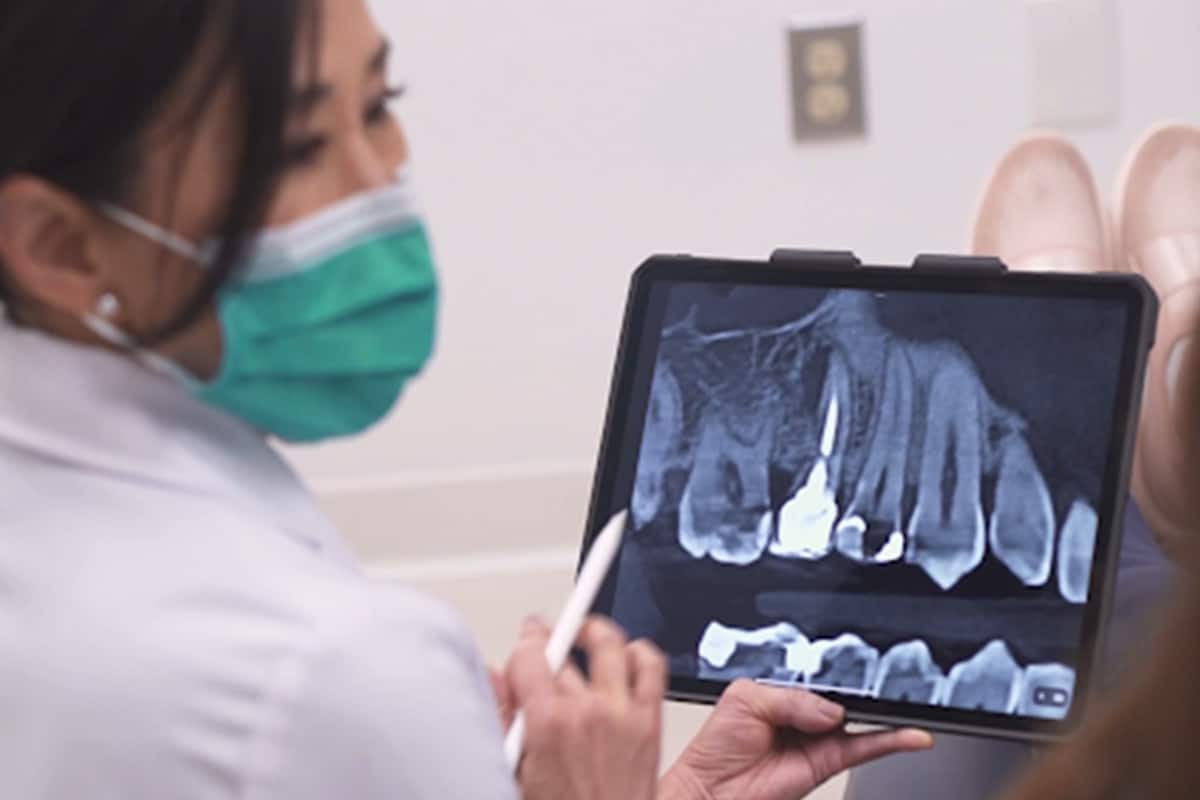
Digital imaging has become one of the most valuable tools in endodontics. Traditional dental X-rays provide important information, but advanced 3D imaging offers a much more detailed view of the tooth and surrounding structures. Cone Beam Computed Tomography, commonly known as CBCT imaging, creates three-dimensional images that allow endodontists to evaluate the tooth from multiple angles.
This technology helps identify hidden canals, fractures, bone loss, and infections that may not appear clearly on standard X-rays. With better visibility, specialists can create more accurate treatment plans and reduce the risk of complications during treatment.
Advanced diagnostic tools also help patients receive treatment sooner. Early detection of infection or structural damage often means less invasive treatment and a greater chance of saving the natural tooth.
How Microscopes Improve Treatment Accuracy
One of the most important advancements in endodontics is the dental operating microscope. These specialized microscopes provide high magnification and bright illumination, allowing endodontists to see details that would otherwise be impossible to detect with the naked eye.
The inside of a tooth is extremely small and complex. Some canals may be narrower than a strand of hair, and additional canals can sometimes remain hidden without magnification. A dental microscope helps the endodontist locate these tiny spaces and thoroughly clean them during treatment.
Improved visibility also helps specialists identify cracks, calcified canals, and other structural concerns that can affect treatment success. By treating these issues more precisely, endodontists can reduce the likelihood of persistent infection and improve long-term outcomes.
Microscope-assisted procedures are especially valuable during retreatment cases. If a previous root canal has failed or new infection develops, enhanced visualization can help locate the source of the problem and improve the chances of saving the tooth.
Technology also contributes to more conservative treatment. Because the endodontist can see the treatment area more clearly, less healthy tooth structure may need to be removed during the procedure. Preserving natural tooth structure is important for maintaining long-term strength and function.
Modern Instruments Make Procedures More Comfortable
Many patients are surprised to learn how comfortable modern root canal treatments can be. New technologies and specialized instruments have significantly improved both efficiency and patient comfort.
Rotary endodontic instruments are one example. These flexible nickel-titanium tools are designed to clean and shape root canals more effectively than traditional hand files. Because they are highly flexible, they can better navigate curved canals while minimizing stress on the tooth structure.
These instruments often allow procedures to be completed more efficiently, which can shorten treatment time and improve patient comfort during the appointment.
Electronic apex locators are another important innovation. These devices help determine the exact length of the root canal, allowing for more precise cleaning and filling of the tooth. Accurate measurements help prevent under-treatment or over-treatment, both of which can affect healing.
Advanced irrigation systems also contribute to successful outcomes. Specialized cleaning solutions and activation techniques help disinfect areas inside the tooth that mechanical instruments may not fully reach. Our practice utilizes advanced ultrasonic and laser assisted irrigation to enhance the cleaning and disinfection of the root canals. Thorough cleaning is one of the key factors in preventing future infection.
Technology has improved anesthesia delivery as well. Modern techniques help patients remain comfortable throughout the procedure, and many people report that a root canal feels similar to receiving a standard dental filling.
Patients who need treatment for infected teeth may benefit from seeking care from a specialist trained in advanced endodontic techniques. Procedures involving deep infection, complex anatomy, or dental trauma often require specialized expertise and technology for the best possible outcome.
When infection or inflammation affects the inner tooth structure, timely care is important. Advanced tools used during root canal treatment help improve precision while protecting the natural tooth from extraction whenever possible.
Faster Recovery and Better Long-Term Results
Technology does not only improve the procedure itself. It also plays a major role in recovery and long-term treatment success.
More precise treatment often means less irritation to surrounding tissues, which can reduce post-procedure discomfort and inflammation. Because advanced imaging and magnification help endodontists work more accurately, there is often less disruption to healthy tooth structure during treatment.
Digital records and imaging also allow specialists to monitor healing more effectively over time. Follow-up evaluations can help confirm that the tooth is healing properly and that surrounding bone tissue is recovering as expected.
The long-term success rate of root canal treatment is very high, especially when infection is identified early and treated thoroughly. Preserving the natural tooth offers several important benefits, including maintaining proper bite alignment, supporting jawbone health, and allowing patients to continue chewing comfortably.
Technology has also improved communication between patients and dental specialists. Digital images and visual aids make it easier for patients to understand their diagnosis and treatment recommendations. When patients can clearly see what is happening inside the tooth, they often feel more informed and confident about their care.
As endodontic technology continues to evolve, patients can expect even greater levels of precision and comfort in the future. Innovations in imaging, instrumentation, and treatment planning are helping specialists provide more predictable and efficient care than ever before.
Choosing an Endodontic Specialist Who Uses Advanced Technology
Not all dental practices use the same level of technology. When choosing an endodontic specialist, it is important to consider the tools and techniques available at the practice.
Specialists who invest in advanced imaging, microscopes, and modern treatment systems are often better equipped to diagnose complex issues and perform highly precise procedures. These technologies can improve treatment accuracy, enhance patient comfort, and increase the likelihood of long-term success.
An experienced endodontist combines specialized training with advanced technology to provide personalized care for each patient’s unique needs. Whether treating a first-time infection, managing dental trauma, or performing retreatment, technology helps support better outcomes at every stage of care.
Patients experiencing tooth pain, sensitivity, swelling, or signs of infection should seek evaluation promptly. Early diagnosis and treatment can help preserve the natural tooth and prevent the need for more extensive dental procedures later.
Frequently Asked Questions About Root Canal Treatments
Are modern root canal treatments painful?
Most patients find that modern root canal treatment is much more comfortable than expected. Advanced anesthesia techniques and specialized instruments help minimize discomfort during the procedure, and many patients compare the experience to getting a routine filling.
Why is 3D imaging important for root canal treatment?
3D imaging allows endodontists to view the tooth and surrounding structures in much greater detail than traditional X-rays. This helps identify hidden canals, fractures, and infections so treatment can be more precise and effective.
How successful are root canal treatments today?
Root canal treatments have a very high success rate, especially when performed using modern technology and advanced techniques. With proper restoration and regular dental care, many treated teeth can last for decades.
Can a root canal treatment fail even with modern technology?
While root canal treatments are highly successful, complications can occasionally occur if canals are unusually complex or if a tooth becomes compromised by new decay, cracks, or leakage under the filling or crown. Advanced technology helps reduce the risks caused by pre-treatment complexities by improving diagnostic accuracy and treatment precision.
How do I know if I need a root canal?
Common signs include severe tooth pain, lingering sensitivity to hot or cold, swelling, tenderness when chewing, or darkening of the tooth. An endodontist can use advanced imaging technology to determine whether root canal treatment is the best option for saving the tooth.
At Perry Endodontics, we are committed to using advanced technology to provide precise, comfortable, and effective endodontic care. Our team focuses on preserving natural teeth whenever possible while helping patients feel informed and confident throughout treatment. We proudly provide specialized care designed to support long-term oral health and successful outcomes. Contact us today to learn more and schedule a consultation.