
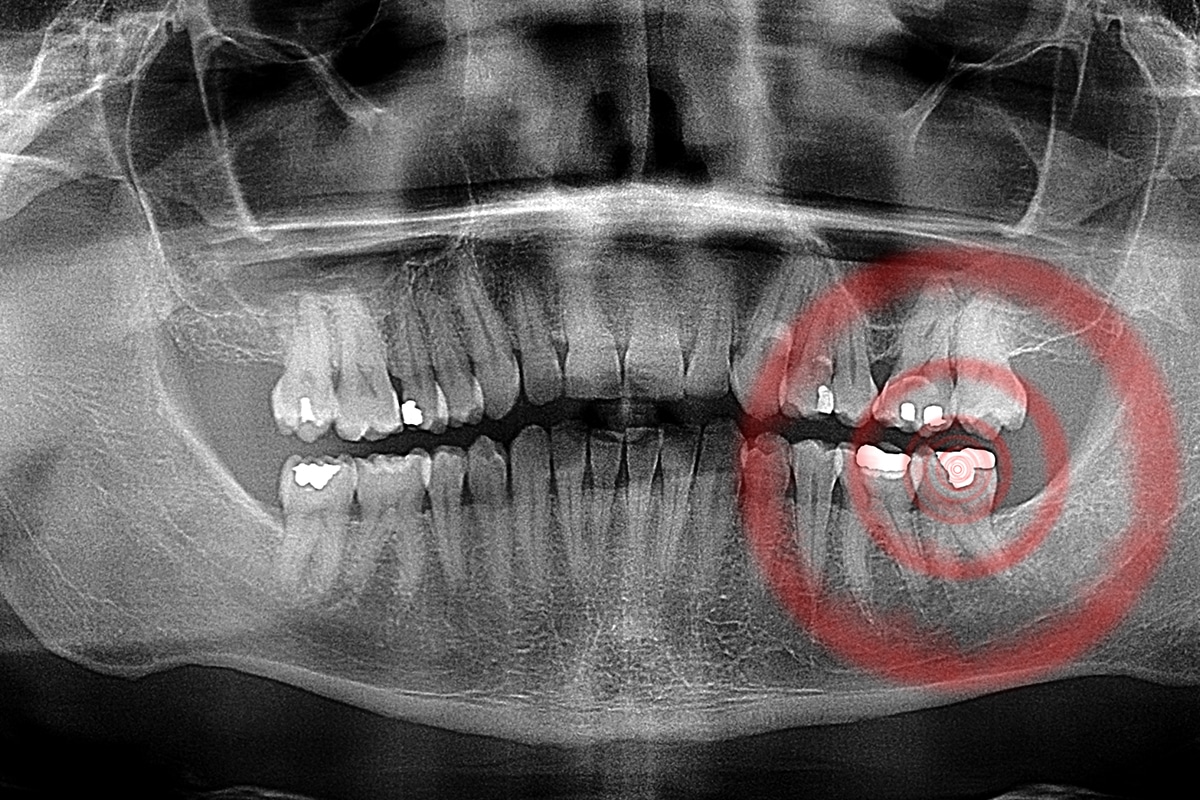
At Perry Endodontics, we are committed to preserving your natural teeth through advanced endodontic care. A common concern we address is the significant impact a tooth infection can have, not just on the tooth itself, but on the surrounding structures. One of the most serious consequences is bone loss in the jaw. Understanding how this process occurs is the first step toward preventing it and protecting your oral health.
This article will explain the connection between a tooth infection and jawbone deterioration. We will detail the progression of an infection from the tooth's inner pulp to the bone, discuss the body's inflammatory response, and outline the advanced diagnostic and treatment options available to stop bone loss and save your tooth. Our goal is to provide you with clear, structured information to help you feel confident and informed about your endodontic health.
The Progression of a Tooth Infection
Understanding how a seemingly small issue like a cavity can lead to significant bone loss requires looking at the anatomy of the tooth and the stages of an infection. The process is a gradual one, but without intervention, it can cause irreversible damage to your oral health.
From Cavity to Abscess
A tooth is composed of several layers. The outermost, protective layer is the enamel. Beneath it lies the dentin, a softer, porous layer. At the very center of the tooth is the pulp, a soft tissue containing nerves, blood vessels, and connective tissue. The pulp extends from the crown of the tooth down to the tip of the roots.
An infection typically begins with decay (a cavity) that breaches the enamel and dentin. If left untreated, bacteria can infiltrate the pulp chamber. Once bacteria reach this sterile environment, the pulp becomes inflamed and infected, a condition known as pulpitis. As the infection progresses, the pulp tissue begins to die.
The bacteria, along with the byproducts of the dying tissue, then travel down the root canals and exit through small openings at the root tips, called foramina. This allows the infection to spread into the periapical area—the tissues surrounding the end of the tooth root, including the jawbone. Here, the body's immune system mounts a defense, leading to the formation of a pus-filled pocket known as a periapical abscess. This abscess is a clear sign that the infection has moved beyond the tooth and is now actively affecting the jawbone.
The Anatomy of an Infected Tooth
When we examine an infected tooth, the problem lies deep within its core. Once the pulp tissue becomes damaged, the intricate network of canals becomes a breeding ground for bacteria. These microorganisms are well-protected inside the tooth, making it impossible for antibiotics alone to resolve the issue. While medication can manage symptoms temporarily by reducing bacteria in the surrounding tissues, it cannot reach the source of the infection within the root canal system.
This is why professional endodontic treatment is essential. The infection must be physically removed from inside the tooth to prevent it from continuously seeding bacteria into the jawbone and causing further destruction.
The Body's Response: Inflammation and Bone Resorption
The loss of bone around an infected tooth is not directly caused by bacteria eating away at the bone. Instead, it is a consequence of the body's own immune response to the chronic infection. When bacteria from the infected tooth pulp enter the jawbone, your immune system identifies them as a threat and launches an inflammatory defense.
How Inflammation Leads to Bone Breakdown
The immune system sends specialized cells to the site of the infection to fight off the invading bacteria. While this response is meant to be protective, the chronic inflammation it creates in the confined space around the tooth root has a destructive side effect. The inflammatory cells release various biochemical substances, including prostaglandins and cytokines. These substances, intended to help manage the infection, also activate cells called osteoclasts.
Osteoclasts are responsible for bone resorption, the process of breaking down bone tissue. In a healthy state, bone is constantly being remodeled, with osteoclasts removing old bone and other cells, osteoblasts, forming new bone. However, in the presence of chronic inflammation from a tooth infection, this balance is disrupted. The inflammatory signals cause the osteoclasts to become overactive, resorbing bone around the infected root faster than it can be replaced. This process creates a lesion or void in the jawbone, which is visible on dental X-rays as a dark area at the tip of the root.
The Role of Osteoclasts in Jawbone Deterioration
Think of osteoclasts as the demolition crew of the skeletal system. Their job is to clear away old or damaged bone. The persistent bacterial presence from an infected tooth acts as a constant trigger, telling these cells to keep working. The resulting bone loss weakens the support structure for the tooth, and if left untreated, it can become so severe that the tooth loosens and may need to be extracted.
The primary objective of endodontic treatment is to eliminate the source of this inflammation. By removing the infected pulp tissue, disinfecting the root canal system, and sealing it, we stop the flow of bacteria into the jawbone. This removes the trigger for the inflammatory response, deactivates the osteoclasts, and allows the body's natural healing processes to take over, enabling bone to regenerate in the affected area.
Diagnosis and Treatment at Perry Endodontics
Effectively treating an infected tooth and preventing further bone loss requires precise diagnosis and advanced intervention. At our practice, we use state-of-the-art technology to accurately assess the extent of the infection and provide the most effective treatment to preserve your natural tooth.
Advanced Diagnostic Tools: CBCT Imaging
While traditional 2D X-rays are valuable, they provide a limited view of the complex root canal anatomy and surrounding bone. To achieve the highest level of diagnostic accuracy, we utilize 3D Cone Beam Computed Tomography (CBCT). This advanced imaging technology provides a detailed, three-dimensional view of the tooth, its roots, and the adjacent jawbone.
A CBCT scan allows us to visualize the exact size and location of the bone lesion, identify any missed canals from previous treatments, and assess complex root structures with unparalleled precision. This information is critical for planning a successful treatment, as it ensures we can address the entire source of the infection. Having a complete picture before treatment begins enhances the predictability and success of the procedure.
The Gold Standard: Root Canal Therapy
The most effective treatment for an infected tooth with associated bone loss is modern root canal therapy. This procedure is designed to remove the infected and inflamed pulp tissue from within the tooth, thereby eliminating the source of the infection and stopping the inflammatory process that causes bone resorption.
During the procedure, we use surgical operating microscopes to provide enhanced magnification and illumination of the intricate root canal system. This allows us to meticulously clean, shape, and disinfect the canals. Once the system is thoroughly cleaned, we fill and seal it with a biocompatible material called gutta-percha. This seal prevents bacteria from re-entering the tooth. With the source of the infection gone, the inflammation in the surrounding bone subsides. This allows the body to begin healing, and in most cases, the bone that was lost will gradually regenerate over several months.
The Importance of Professional Treatment
An infected tooth is more than just a toothache; it is a serious condition that can lead to the destruction of your jawbone if left untreated. The process begins when bacteria invade the tooth's pulp and spread into the surrounding bone, triggering a chronic inflammatory response that activates bone-resorbing cells. This can weaken the tooth's foundation and ultimately lead to its loss.
At Perry Endodontics, we are equipped with the expertise and advanced technology, including CBCT imaging and surgical operating microscopes, to diagnose and treat these infections with precision. Through modern root canal therapy, we can eliminate the infection, stop the bone loss, and create the conditions necessary for your body to heal and regenerate the damaged bone. Our primary commitment is to save your natural teeth and restore your oral health. If you are experiencing tooth pain or have been told you have a dental infection, we encourage you to seek prompt evaluation.
Frequently Asked Questions About Infection-Induced Bone Loss
Will the bone grow back after a root canal?
Yes, in the vast majority of cases, the jawbone will regenerate after a successful root canal treatment. The procedure removes the source of the infection that causes the inflammatory response leading to bone loss. Once the infection is cleared, the inflammation subsides, and the body’s natural healing processes can begin. Specialized cells called osteoblasts will start to form new bone in the area where it was lost. The healing process can take several months to a year, and we can monitor its progress with follow-up X-rays.
Can an infected tooth cause health problems elsewhere in the body?
Yes, an untreated tooth infection can potentially affect your overall health. The bacteria from a chronic dental abscess can enter the bloodstream and travel to other parts of the body. While rare, this can lead to more serious systemic conditions, particularly for individuals with compromised immune systems or pre-existing health issues like heart disease or diabetes. This connection between oral health and systemic health underscores the importance of addressing dental infections promptly.
Perry Endodontics is a specialized dental practice dedicated to preserving natural teeth through advanced endodontic care. With a focus on patient comfort and cutting-edge treatment techniques, the practice offers expert services such as root canal therapy, retreatments, and emergency care for dental infections. Combining professionalism with a compassionate approach, Perry Endodontics aims to deliver effective, long-term solutions to support both oral and overall health. Contact us today to schedule an appointment.