
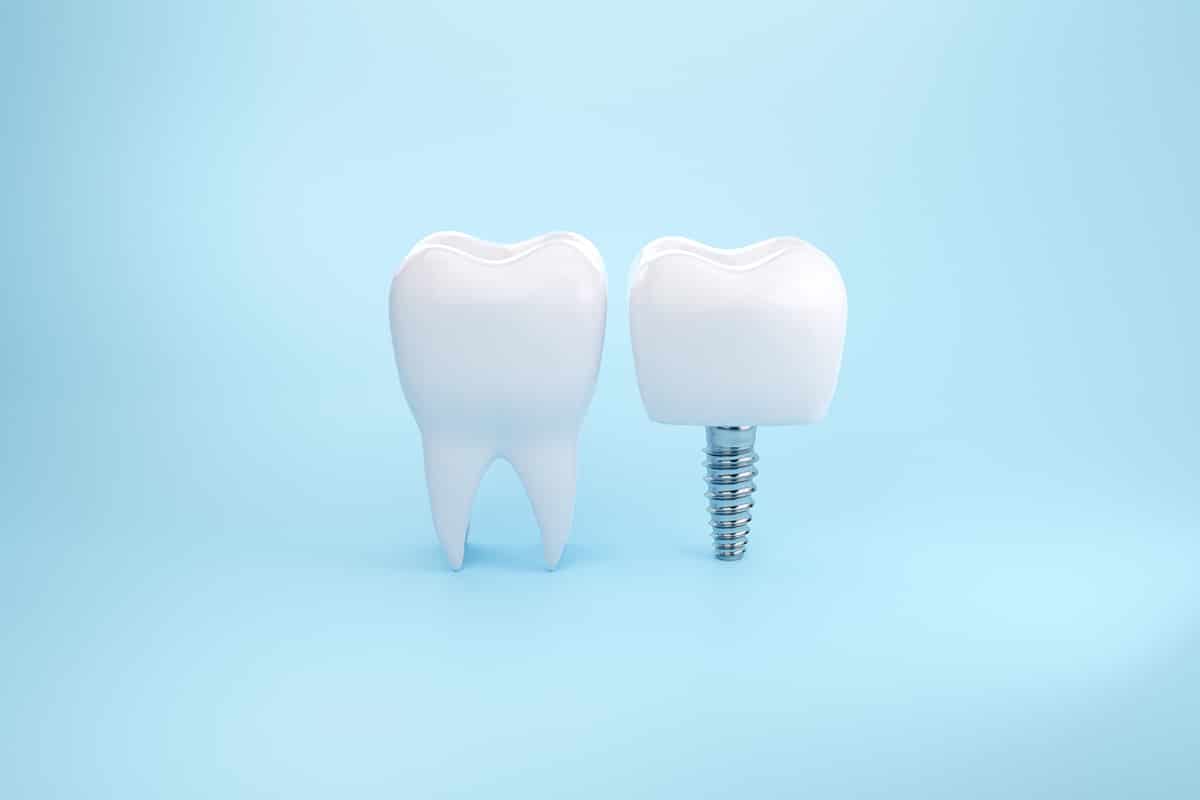
When a tooth is damaged or infected, many people think extraction and a dental implant are the most advanced solution. But is that always the best choice? At Perry Endodontics, we often help patients and referring dentists understand why saving the natural tooth with root canal treatment (RCT) can be the better long-term decision.
The Myth: Implants Are "Permanent" While Root Canals Are Temporary
A common misconception is that dental implants are forever while root canal-treated teeth eventually fail. However, research shows that both treatments have comparable long-term success rates. One study showed a 7-year survival rate of approximately 95% for both endodontically treated teeth and dental implants. Implants also show high success, but they are not without complications like peri-implantitis, mechanical failures, and the need for future surgical intervention.
What many patients don't realize is that dental implants have a finite lifespan. Over time, mechanical wear, gum disease, or bone loss can lead to implant failure. This makes delaying implant placement, when a natural tooth is still salvageable, a wise clinical strategy.
At Perry Endodontics, we use advanced imaging and microsurgical techniques to assess whether a tooth is restorable. If it is, preserving it often leads to fewer complications and better long-term results.
The Case for Natural Dentition: Why Your Tooth Deserves a Second Chance
Natural teeth have a built-in advantage: the periodontal ligament. This structure provides vital sensory feedback and helps maintain healthy bone levels. Dental implants, while functional, lack this capability.
By preserving the natural tooth, patients retain:
- Normal chewing sensation and force control
- Better alveolar bone preservation
- A more natural appearance
Serving Westfield and all of Western Massachusetts, Perry Endodontics is committed to tooth preservation whenever possible. Our board-certified endodontists apply state-of-the-art techniques to help your teeth last a lifetime.
The Patient Perspective: Less Invasive, More Comfortable
Root canal therapy is often less invasive than implant surgery and typically results in fewer post-operative complications. Patients frequently report a smoother recovery and more satisfaction with the treatment process.
In a comparative study by Vahdati et al., dental implants were associated with a significantly greater number of appointments, longer time to final restoration, and higher overall treatment costs compared to endodontically treated teeth:
Root Canal Treatment vs. Dental Implants: Key Comparisons
|
Factor |
Root Canal Treatment (NSRCT) |
Single-Tooth Implant (STI) |
|
Survival Rate |
~95% at 7.5 years |
~95% at 7.5 years |
|
Number of Appointments |
2.01 |
5.35 |
|
Time to Final Restoration |
67.4 days |
200.5 days |
|
Total Cost |
~$1,201 |
~$2,948 |
Source: Vahdati et al., Journal of Endodontics, 2019
These factors can substantially impact a patient's quality of life, especially when time and finances are limited.
When endodontic care is provided by a specialist, especially one with board certification and access to cutting-edge technology, outcomes improve significantly.
Adjacent Tooth Risk: A Lesser-Known Concern
Another concern with implant placement is its potential impact on surrounding teeth. A 2024 retrospective cohort study by Chen et al., published in the Journal of Periodontology, found that teeth adjacent to dental implants had a 13.2-fold higher risk of tooth loss compared to teeth that were not adjacent to implants. The average follow-up time was 4.75 years, and the primary cause of failure was root fracture.
These findings echo concerns from earlier studies, including one by Derks et al. (2016), and highlight that adjacent teeth are more prone to complications, including increased mobility, decay, and ultimately extraction. The loss of proprioception, altered occlusal forces, and reduced interproximal hygiene access can all contribute.
Preserving the natural tooth may not only protect the affected tooth but also help safeguard neighboring teeth from future issues., including one by Derks et al. (2016), have shown that teeth adjacent to dental implants are more likely to experience complications, including increased mobility, higher rates of caries, and even extraction. The loss of proprioception, altered occlusal forces, and reduced maintenance of interproximal hygiene around implants can contribute to these issues.
Moreover, research has shown that adjacent teeth may become more susceptible to decay post-implant placement due to plaque retention and limited accessibility for cleaning around the implant site. These risks underscore the importance of preserving natural dentition when possible, not only for the tooth in question, but for the health of the entire arch.
When Extraction Makes Sense
Of course, not every tooth can be saved. Clinical decisions should consider:
- The tooth's restorability
- Surrounding bone and periodontal health
- Patient preferences and overall health
If a tooth is deemed unsalvageable, referral for implant placement is appropriate. But extraction should not be the default. Delaying dental implant placement in favor of endodontic treatment allows patients to retain their natural dentition longer and potentially avoid the long-term complications and replacement cycle of implants.
Clinical Insight: Individualized, Evidence-Based Care
Choosing between dental implants vs RCT requires a nuanced evaluation. It’s not simply a matter of technology, but of biology and patient-centered outcomes. Root canal therapy preserves natural anatomy and often avoids the added time, cost, and risks associated with implants.
At Perry Endodontics, we work closely with general dentists and specialists to ensure every patient receives the most appropriate care. Our board-certified team leverages 3D imaging, operating microscopes, and the latest techniques to give each tooth its best chance.
Conclusion: Save It When You Can
Prioritizing root canal treatment over immediate extraction aligns with evidence-based care and supports better long-term oral health. If you're debating dental implants vs RCT, remember that preserving your natural tooth often leads to superior outcomes—and fewer complications down the road.
Perry Endodontics is the only board-certified endodontic practice in Western Massachusetts. Whether you're a patient looking to save your tooth or a dentist seeking expert consultation, we’re here to help.
Contact us today to schedule an appointment or refer a patient today to explore tooth-saving options with Perry Endodontics.
Meta Description: Learn why root canal treatment often beats dental implants in longevity, comfort, and oral health. Discover expert care at Perry Endodontics.
Suggested Hashtags: #DentalImplantsVsRCT #SaveYourTooth #WestfieldEndodontist #PerryEndodontics