
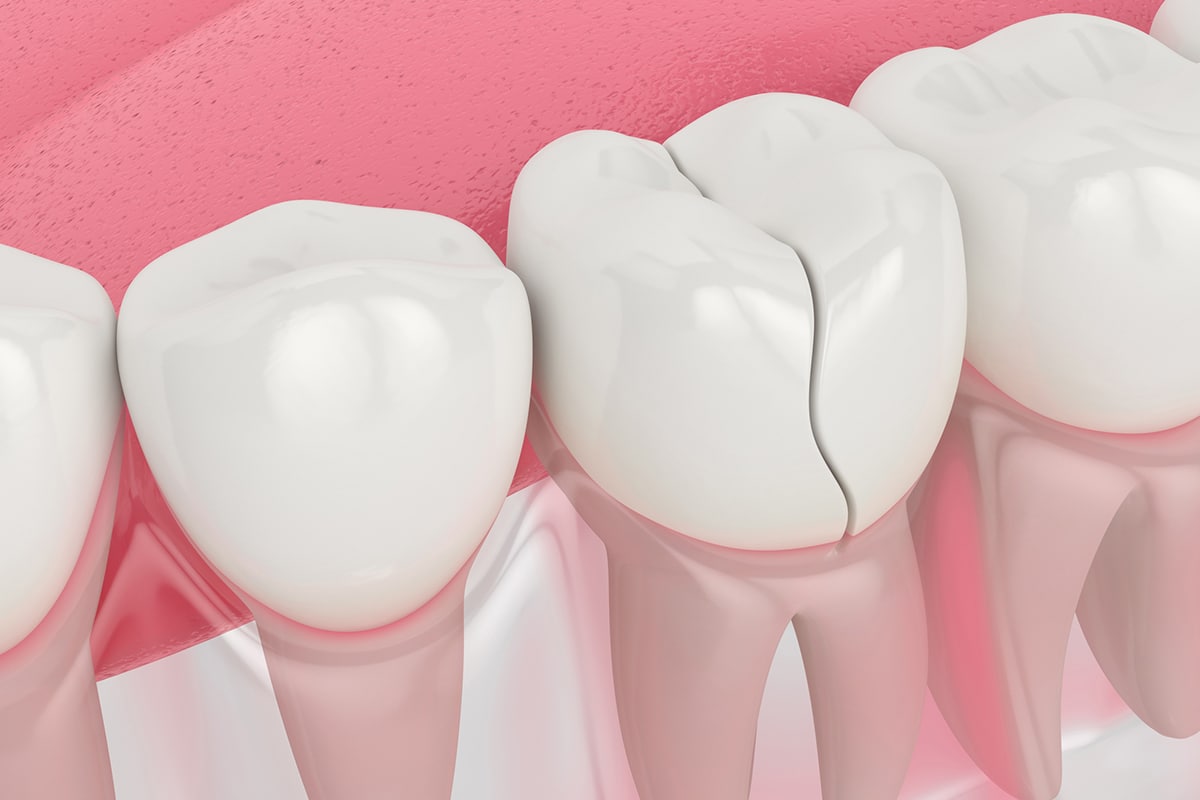
At Perry Endodontics, we understand that discovering you have a cracked tooth can be a source of significant concern. One of the most common questions our patients ask is whether a cracked tooth can heal on its own, similar to how a broken bone might mend over time. Unfortunately, the structure of a tooth is fundamentally different from that of bone, and once the hard outer layers of enamel and dentin are fractured, they cannot regenerate or fuse back together naturally. This distinction is critical to understanding why professional dental intervention is not just recommended, but essential for preserving the tooth.
Ignoring a cracked tooth can lead to more complex and serious dental issues. The crack can allow bacteria to penetrate the inner layers of the tooth, leading to infection of the pulp tissue, which contains the tooth's nerves and blood vessels. This can result in severe pain, abscess formation, and eventual tooth loss. Our commitment at Perry Endodontics is to provide clear, precise information and advanced endodontic care to address the problem effectively, relieve your discomfort, and help you save your natural tooth.
Understanding the Limits of Natural Healing
Unlike bones, which have a rich blood supply and cellular mechanisms for regeneration, teeth are composed primarily of non-living, highly mineralized tissues. The outermost layer, the enamel, is the hardest substance in the human body but contains no living cells, meaning it has no capacity for self-repair. The layer beneath it, the dentin, is more porous but also lacks the ability to mend a fracture.
When a tooth cracks, a permanent pathway is created for bacteria to invade the sensitive inner pulp. This bacterial invasion can cause inflammation and infection, a condition known as pulpitis. Without timely intervention from a specialist, this infection can spread to the surrounding bone and tissues. Therefore, relying on the body's natural healing processes is not a viable option for a cracked tooth. Seeking professional evaluation is the definitive step toward preventing further damage and pain.
Identifying the Different Types of Cracked Teeth
The appropriate treatment for a cracked tooth depends heavily on the type, location, and severity of the fracture. As specialists in saving teeth, we are skilled in diagnosing these specific conditions. Minor cracks, known as craze lines, are superficial fractures in the enamel that are typically painless and do not require treatment. However, other types of cracks demand immediate attention.
A fractured cusp, for instance, occurs when a piece of the tooth's chewing surface breaks off. More serious is a crack that extends vertically toward the root. If this crack has not reached the gum line, the tooth can often be saved with endodontic treatment, commonly known as a root canal. A split tooth, where the crack has separated the tooth into distinct segments, presents a more challenging scenario where saving the entire tooth may not be possible. Early and accurate diagnosis using advanced imaging, such as the 3D Cone Beam Computed Tomography (CBCT) we use in our practice, is crucial for determining the best course of action.
The Role of Endodontic Treatment in Saving a Cracked Tooth
When a crack has compromised the tooth's pulp, endodontic treatment is the most effective solution for saving the tooth. The primary goal of a root canal procedure is to remove the inflamed or infected pulp, clean and disinfect the inside of the tooth, and then fill and seal the space. This process eliminates the source of the infection and pain while preserving the natural tooth structure.
At Perry Endodontics, we utilize state-of-the-art technology, including surgical operating microscopes, to perform these procedures with exceptional precision. After the root canal is complete, the tooth will require a crown to protect it from further fracture and restore its full function. By addressing the internal health of the tooth and reinforcing its external structure, we can successfully extend the life of a cracked tooth for many years, allowing you to maintain your natural smile.
Your Path to Treatment and Relief
The evidence is clear: a cracked tooth cannot heal itself and requires professional care to prevent complications. Prompt diagnosis and treatment are paramount to relieving pain, stopping the progression of damage, and ultimately saving your tooth. Postponing a visit to an endodontist can turn a manageable issue into a situation requiring more extensive intervention or even extraction.
Our dedicated team at Perry Endodontics is here to provide the expert care you need. We are committed to using our advanced knowledge and technology to ensure you receive the most effective treatment in a comfortable and reassuring environment. If you suspect you have a cracked tooth or are experiencing dental pain, we encourage you to take the most important step toward recovery.
Frequently Asked Questions
What are the common symptoms of a cracked tooth?
Symptoms can vary but often include erratic pain when chewing, especially when you release biting pressure. You may also experience sensitivity to hot, cold, or sweet foods and drinks. In some cases, the pain may be intermittent, making it difficult to pinpoint which tooth is affected. If the crack has led to a pulp infection, the pain may become more constant and spontaneous.
Is it always necessary to get a root canal for a cracked tooth?
Not always, but it is a common and highly effective treatment. The need for a root canal depends on whether the crack has extended into the pulp. If the crack is minor and has not affected the pulp, a simpler restoration like a filling or a crown may be sufficient. However, if the pulp is damaged or infected, a root canal is necessary to remove the compromised tissue, eliminate the infection, and save the tooth from extraction.
At Perry Endodontics, we specialize in providing exceptional endodontic care to save natural teeth and relieve dental pain. To schedule a consultation or learn more about our advanced treatments, please contact us.